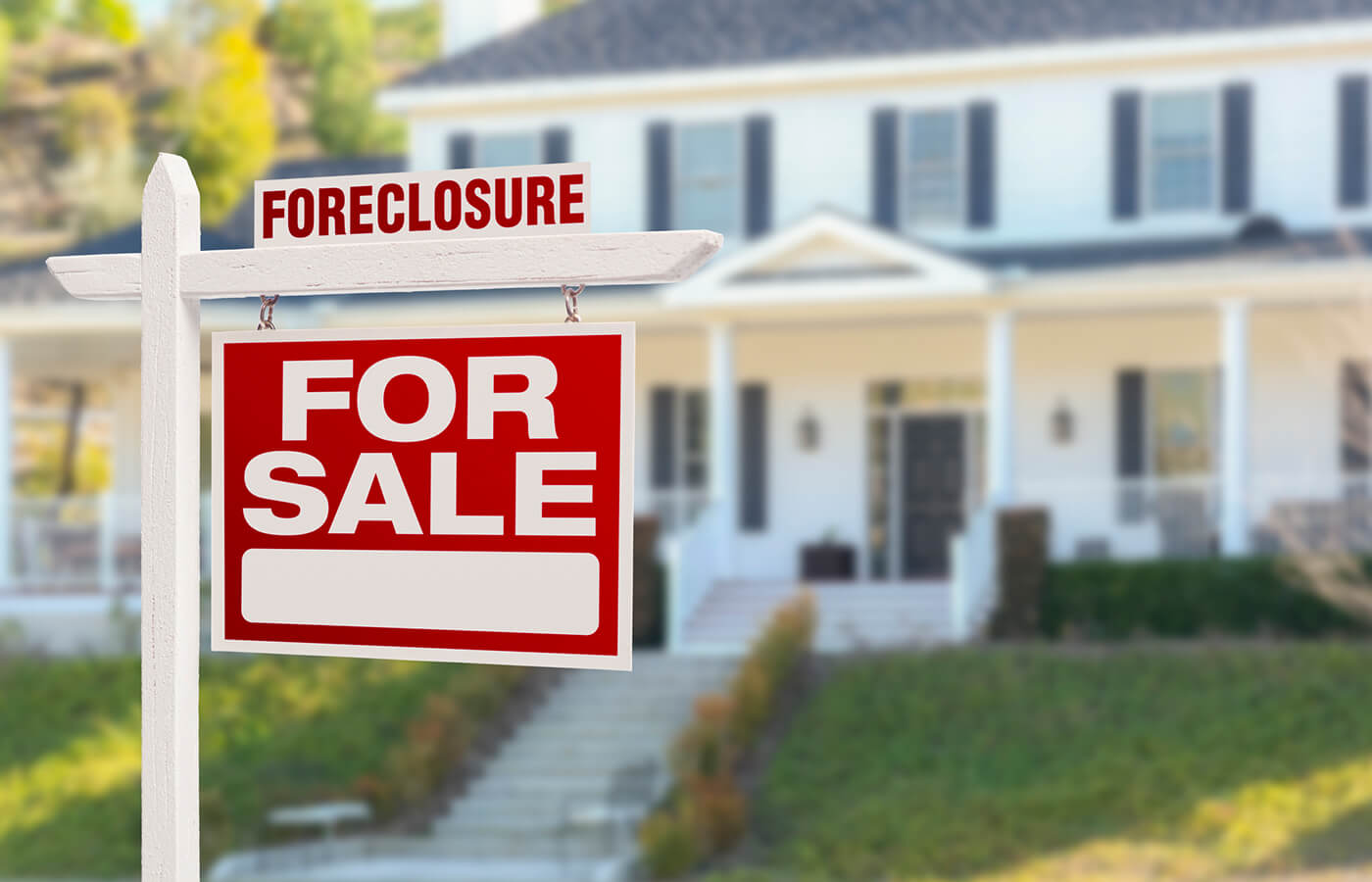
Foreclosure usually does not happen all at once. It starts with missed payments, rising stress, and the feeling that the house is becoming harder to keep up with every month. For many homeowners, the hardest part is not knowing when the situation has become serious enough to act. By the time the letters pile up and the pressure increases, it can feel like there are no good options left.
If you are behind on payments or worried that you may fall behind soon, it helps to understand the warning signs early. Taking a closer look at the situation now can give you more room to decide what makes the most sense for your finances, your timeline, and your next move.
Missed payments are becoming a pattern
One missed payment can often feel manageable. Several missed payments usually mean the problem is starting to grow. Late fees, lender communication, and mounting pressure are often the first signs that the situation needs attention.
You are avoiding lender mail or calls
A lot of homeowners stop opening letters once the stress starts building. That is understandable, but it usually makes the situation feel worse. If you are avoiding updates because you are worried about what they say, that is a sign the issue is already weighing on you heavily.
The house payment is affecting everything else
When the mortgage starts pushing out other essential expenses, the problem is no longer just about the house. If you are using credit cards, skipping bills, or constantly moving money around to keep up, it may be time to look at a more direct solution.
What homeowners usually want to know first
Most people in this situation are asking the same questions. Can I catch up? How much time do I really have? Should I try to sell now? What happens if the house needs repairs? Do I have to list it with an agent first?
Those are all reasonable questions. The most important thing is to stop thinking about foreclosure as one giant problem and start looking at the actual decisions in front of you. In many cases, the sooner you understand your options, the more flexibility you have. Waiting too long usually limits that flexibility.
A traditional sale is not always realistic
A traditional listing can work when the house is in strong condition, the seller has time to prepare it, and there is enough margin to handle repairs, commissions, and delays. It becomes much harder when the house needs work or when the seller is already under financial pressure.
Speed matters more than perfection
When foreclosure pressure is building, many sellers stop worrying about getting the house perfect and start focusing on getting the situation resolved. That is often when a direct sale starts to make more sense than trying to stretch through a full retail listing process.
Why some South Jersey homeowners choose to sell before the situation gets worse
Selling before the problem grows can help a homeowner regain control of the timeline. Instead of waiting for more pressure, more letters, and more uncertainty, a sale can create a cleaner next step. That is especially true when the property also has other issues like deferred maintenance, tenant problems, inherited ownership, or a need to relocate quickly.
For homeowners in areas like Browns Mills, a house sale may be tied to an older property, a vacant home, or a move connected to the base or a family transition. In Willingboro, some sellers are balancing mortgage pressure with repairs or life changes that make timing more important than testing the market. In Clementon, a seller may be looking for a quicker path forward because the house needs work or the situation has become too stressful to manage through a standard listing.
In each case, the issue is not just foreclosure. It is the combination of financial pressure, time, and the practical condition of the property.
What a direct sale can help you avoid
A direct sale is not the right fit for every house, but it can help a homeowner avoid some of the most common problems that come with trying to list under pressure. That usually includes the cost of repairs, agent commissions, repeated showings, financing delays, and the uncertainty of not knowing when or whether the deal will actually close.
For some sellers, the biggest benefit is being able to sell as is. For others, it is knowing there is a path to closing without waiting on a buyer’s loan approval. For others, it is simply having a direct conversation and getting a real offer to compare against their other options.
No repairs first
If the house needs work, the condition does not have to stop the conversation.
No agent commissions
A direct sale can reduce the extra selling costs that often matter most when money is already tight.
A cleaner timeline
When time matters, fewer moving parts can make the whole situation easier to manage.
What to do if you think foreclosure may be coming
Start by being honest about where the situation stands. If you are already behind, the problem is real. If you are using one bill to cover another, the problem may be closer than it feels. If the house also needs work or the sale would be difficult through the normal market, that matters too.
From there, focus on getting clear information. Find out what your realistic selling options look like. Compare timing. Think about what you would need from a sale in order for it to actually help. The goal is not to panic. The goal is to replace uncertainty with a plan.
If you want to look at a direct sale option, you can start with the homepage to learn more about how the process works, or go straight to the local pages for Browns Mills, Willingboro, and Clementon if one of those areas fits your property.
Final thought
Foreclosure pressure usually feels heaviest when you do not know what to do next. That is why the early warning signs matter. The sooner you recognize the problem, the sooner you can start comparing real options instead of hoping the pressure will go away on its own.
If the house needs to be sold quickly, there are situations where a direct sale can make the process simpler. The important part is understanding the timing, the condition of the property, and what kind of outcome actually helps you move forward.